
Acupuncture for back pain
Personalized care for acute and chronic back pain
understanding Back Pain
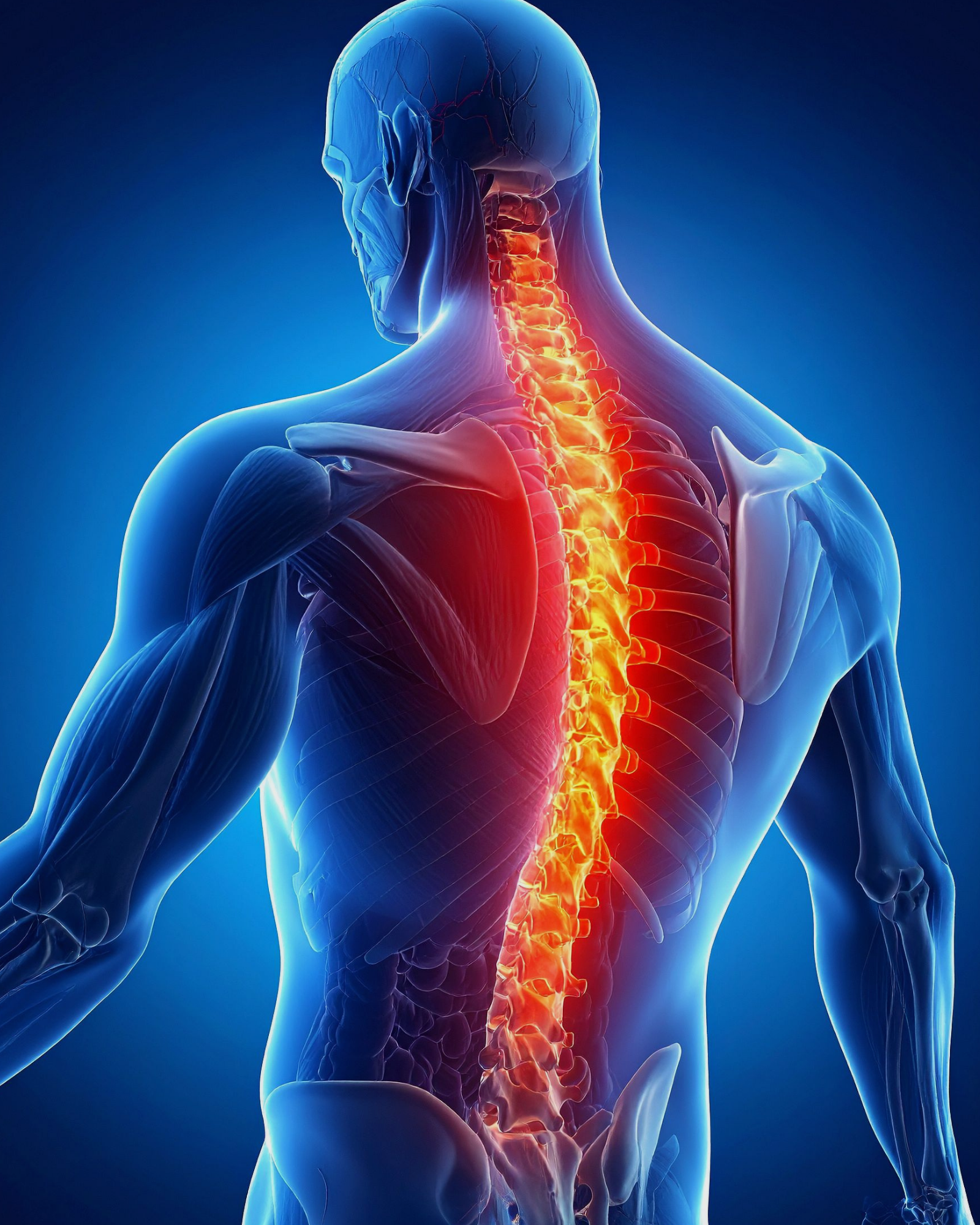
Back pain is one of the most common reasons people seek acupuncture. It can develop suddenly or build over time, and may be influenced by posture, stress, injury, repetitive strain, or internal imbalance.Back pain can present in many forms — from acute muscle strain and lower back pain to chronic tension, disc-related discomfort, or radiating pain such as sciatica. Each pattern reflects a different underlying imbalance, which is why treatment is always individualized rather than protocol-based. Whether pain is acute or long-standing, treatment focuses on reducing discomfort while supporting the systems that allow the body to heal and adapt.
Pain in the back is rarely caused by a single factor alone. Muscle tension, joint restriction, nervous system sensitivity, and circulation all play a role. Understanding these contributing elements allows care to be both targeted and supportive rather than focused only on symptom relief.
Many people in West Bloomfield, Bloomfield ,Bloomfield Hills, Birmingham, Farmington, Farmington Hills, Northville and Novi, seek acupuncture for persistent back pain because traditional treatments don’t always provide lasting relief.
Ready to reduce pain and improve mobility?
Schedule your personalized acupuncture session today
A Whole-Body View of Back Pain
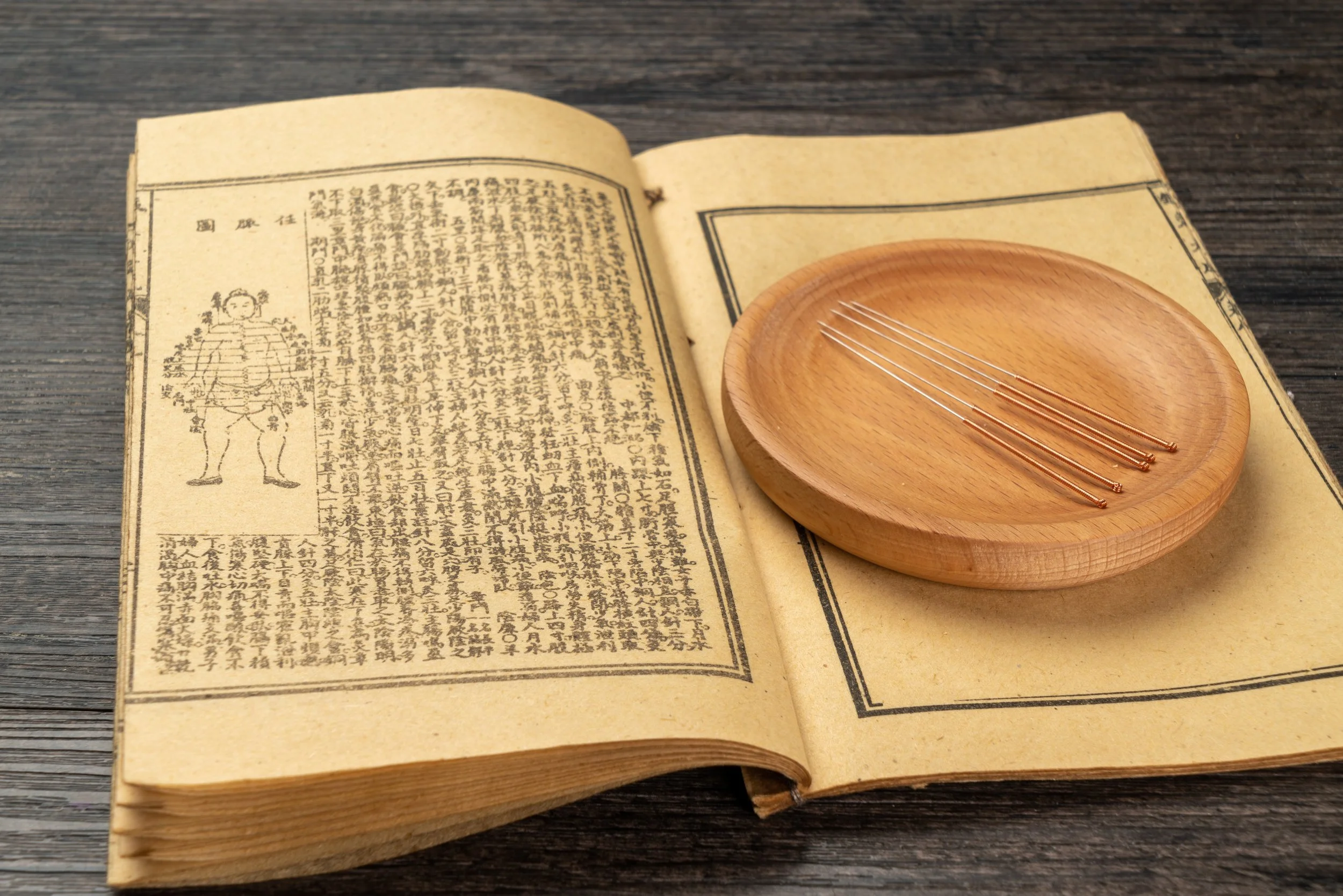
Back Pain in Chinese Medicine
In Chinese medicine, back pain is understood as more than a local issue. The back is crossed by major energetic pathways that reflect how the body adapts to stress, movement, posture, and life experience over time. When energy and circulation move freely, the back is supported and resilient. Pain often appears when this movement becomes restricted — through tension, fatigue, emotional strain, or long-standing patterns in how we respond to what is happening around us.
Different areas of the back are often associated with different functions. The upper back relates to protection and how we meet external demands. The mid-back can reflect digestion, breathing, and emotional processing. The lower back is commonly connected to stress, fear, depletion, and overload that accumulates gradually. Rather than isolating one cause, Chinese medicine looks at the overall pattern contributing to pain and works to restore balance and ease throughout the system.
Common Back pain related dysfunctions we treat
Back pain can present in different ways, and the cause often determines the best treatment approach. We help people with:
Lower Back Pain — the most common form, often associated with sitting, lifting, or stress in daily life.
Sciatica Pain — pain radiating down the leg due to nerve compression or irritation.
Mid-Back Tension — can be related to posture, breathing patterns, or emotional stress.
Upper Back & Shoulder-Related Pain — often connected with repetitive strain or postural imbalance.
If your symptoms include radiating pain, numbness, or stiffness, acupuncture may support your body’s ability to recover by addressing both muscular and nervous system contributors.
HOW ACUPUNCTURE SUPPORTS RECOVERY
Acupuncture supports back pain recovery by working with the body’s natural regulatory systems.
Care is not limited to the painful area alone. Points may be selected to support the spine, hips, legs, and nervous system as a whole. This broader approach helps address contributing factors such as stress, fatigue, or compensatory movement patterns that may be affecting recovery.
wHAT ACUPUNCTURE CAN DO
Reducing muscle tension and guarding
Improving circulation to affected tissues
Calming an overactive nervous system
Supporting mobility and range of motion
Addressing contributing factors such as stress or fatigue
Acute and Chronic Back Pain
Acute back pain often follows strain, injury, or sudden overload. Early care may help reduce inflammation, limit compensation patterns, and support faster recovery.
Chronic back pain tends to involve longer-standing tension, nervous system sensitization, and movement restrictions. Treatment focuses on gradual regulation, improving resilience, and restoring balanced movement over time.
Both approaches are individualized based on your history, symptoms, and goals.
AN INTEGRATIVE CARE APPROACH
Back pain is often influenced by more than structural factors alone. Stress, sleep quality, digestion, and overall energy levels can affect how pain is experienced and how well the body recovers. Acupuncture care takes these relationships into account, supporting not only symptom relief but overall balance.
Treatment plans may evolve over time, responding to changes in pain levels, mobility, and daily demands. The goal is to support long-term function, comfort, and resilience rather than short-term relief alone.
Contact us if you have any questions

Frequently Asked Questions
-
The number of sessions depends on how long the pain has been present, your health history and how the body responds to treatment. Acute back pain may shift within a few visits. Chronic or recurring pain often requires a series of treatments to create more lasting change. During your first visit, we discuss a plan tailored to your condition.
-
Yes. Sciatica often involves irritation or compression of the nerve pathways traveling through the lower back and leg. Acupuncture may help reduce inflammation, relax surrounding muscles, and calm the nervous system, which can decrease radiating pain and improve mobility.
-
Acupuncture is a gentle, low-impact therapy that can be safely used alongside conventional medical care. Many people with disc injuries or degenerative findings seek acupuncture to reduce discomfort and support recovery without increasing strain on the body.
-
Most people are surprised by how subtle the needles feel. Sensations are typically mild — some points are slightly more sensitive but the mild discomfort is short lived (few seconds at most) a brief tingling, warmth, or heaviness may be felt as well. Many patients find the treatments deeply relaxing and fall a sleep during the treatment.
-
Yes. Emotional stress and prolonged mental tension often translate into physical tightness, especially in the neck, shoulders, and lower back. Acupuncture helps regulate the stress response, which can significantly influence how pain is experienced and maintained.
-
Long-standing pain patterns can still respond to treatment. While chronic conditions may take more time, acupuncture focuses on restoring balance and improving resilience, not just masking symptoms.