
Acupuncture for Sciatica
Serving patients in West Bloomfield and surrounding communities
Acupuncture for Sciatica
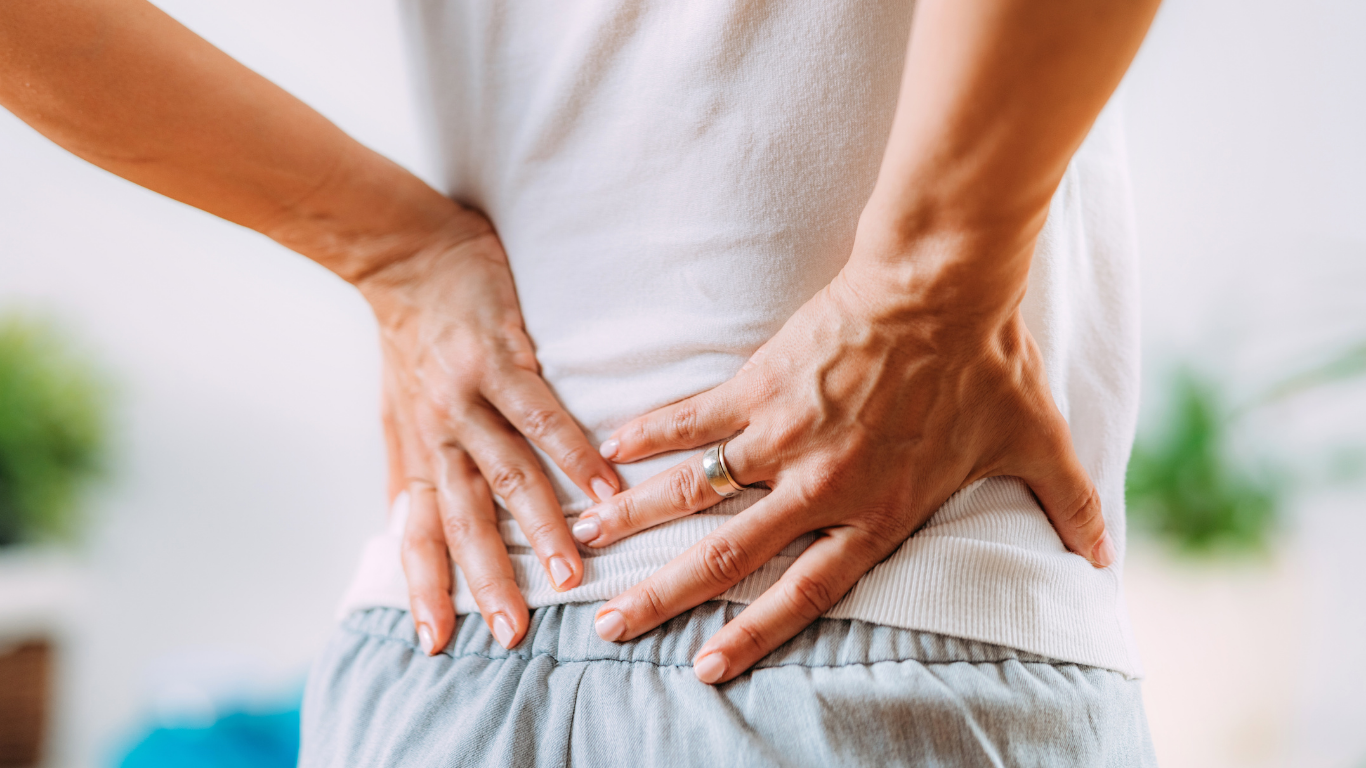
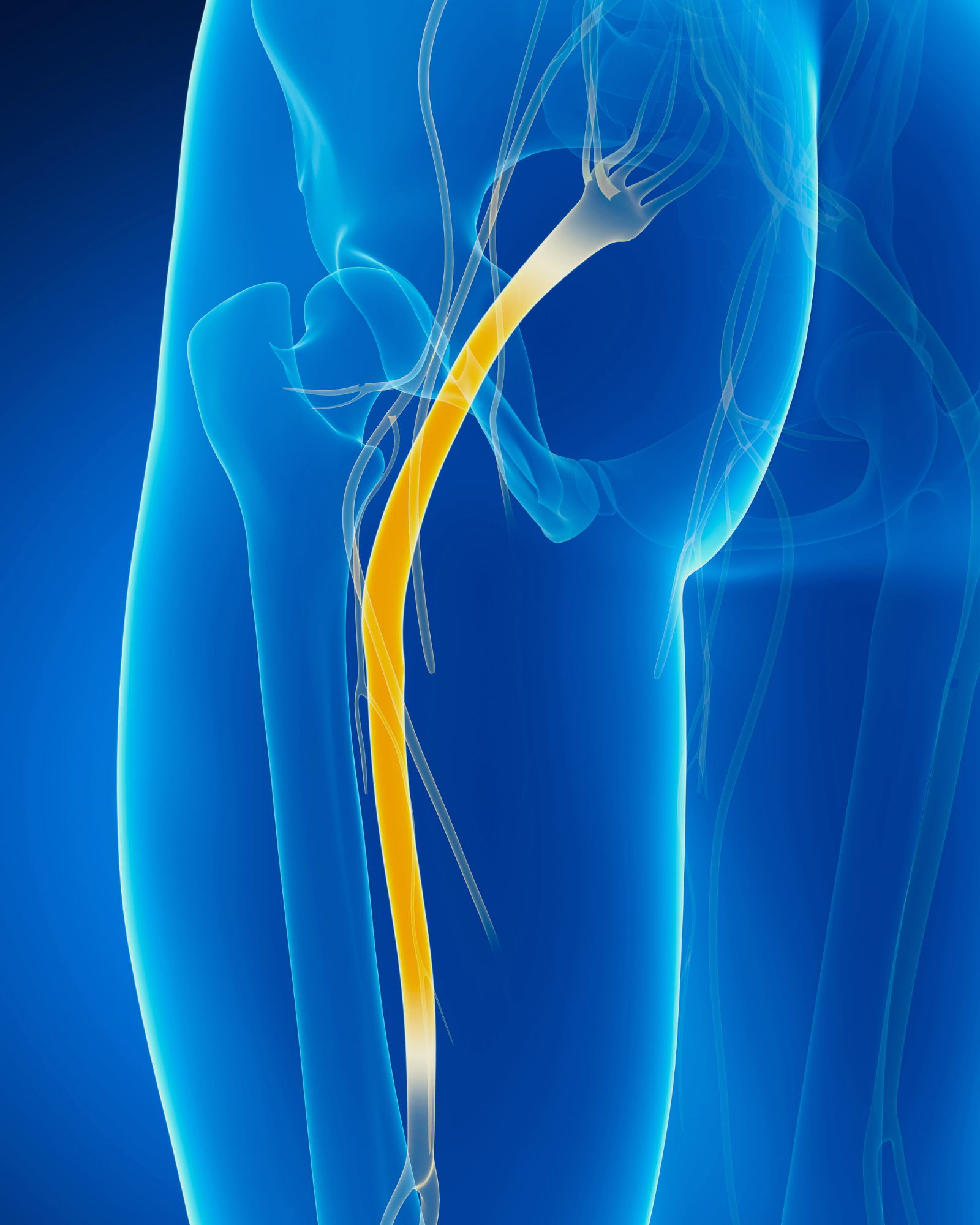
Sciatica refers to pain that travels along the path of the sciatic nerve — typically beginning in the lower back or hip and radiating down the leg. It may feel sharp, burning, heavy, or accompanied by numbness or tingling.
While sciatica is often associated with disc compression or structural findings, the intensity of symptoms is also influenced by muscle tension, inflammation, and nervous system sensitivity. For many people, the pain persists even after imaging results remain unchanged.
Acupuncture offers a way to address both the local irritation and the broader tension patterns that contribute to ongoing nerve discomfort.
How sciatica commonly present
Sciatic pain does not look the same for everyone. Some experience sharp, shooting pain down one leg. Others notice dull aching in the hip with intermittent numbness or tingling. Symptoms may worsen with prolonged sitting, standing, or certain movements.
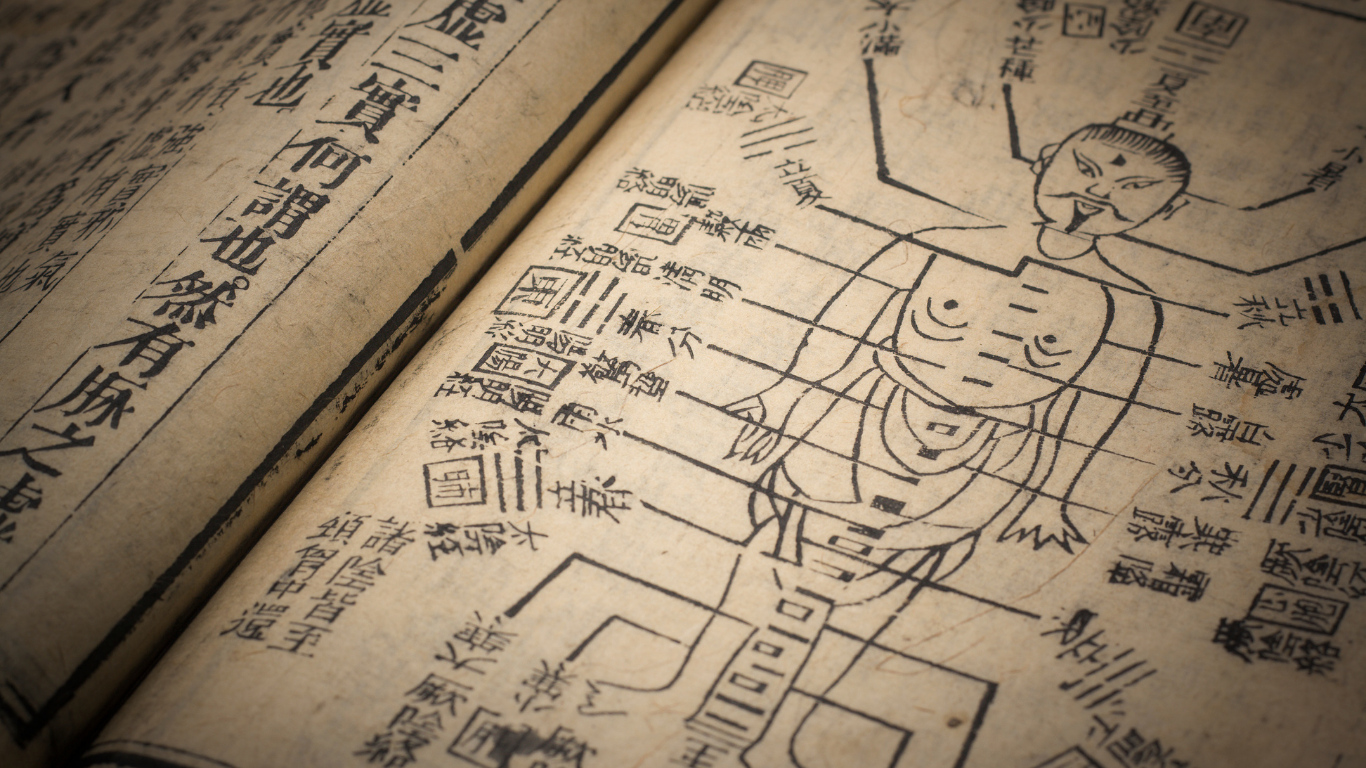
In classical Chinese medicine, this pattern may reflect stagnation along specific channels of the lower back and leg, often combined with underlying constitutional imbalances. Treatment is always individualized rather than protocol-based.
A Whole-Body View OF SCIATICA
Sciatica in Chinese Medicine
In Chinese medicine, sciatica is understood as a form of obstruction along the pathways that travel through the lower back, hips, and legs. When Qi and Blood do not move freely — due to tension, stagnation, inflammation, or long-standing imbalance — pain and radiating sensations can appear along the course of the nerve.
From a deeper perspective, pain is not simply something to eliminate. It is a signal from the body. Tension often develops as the body’s attempt to create stability and protection. When we feel pulled in different directions in life — wanting to move forward while also seeking safety — the body can reflect that inner conflict through restriction and tightness.
In this view, non-traumatic nerve and muscular pain may relate to patterns of holding, overexertion, long-term stress, or internal pressure. The treatment approach is always individualized, addressing both the physical obstruction along the channel and the underlying patterns that contributed to it — supporting movement, circulation, and a renewed sense of stability from within.
How Acupuncture May Help with Sciatica
Acupuncture helps reduce the muscular tension and inflammation that often compress or irritate the sciatic nerve. By improving circulation to the lower back and hip, the body is better able to regulate pain and support tissue recovery.
Treatment also influences the nervous system directly. When the body remains in a guarded or stressed state, pain signals can become amplified. Acupuncture encourages a shift toward parasympathetic balance — allowing the system to settle and decreasing the intensity of radiating discomfort.
Rather than focusing only on the site of pain, treatment addresses the full pattern contributing to the condition.
If your symptoms are more centralized in the lower back without radiating pain, you may wish to explore our page on acupuncture for back pain.
Frequently Asked Questions
-
Relief varies depending on the severity and duration of symptoms. Acute cases may improve within a few sessions, while long-standing nerve irritation often requires a short series of treatments to create more stable change.
-
Yes. Many people with disc-related findings seek acupuncture to reduce inflammation, muscle guarding, and nerve sensitivity. Treatment can be used alongside medical care and physical therapy.
-
Yes. Acupuncture is a gentle therapy that does not add mechanical strain to the spine. Needling is placed strategically to encourage relaxation and improve circulation rather than aggravating symptoms.
-
Intermittent sciatica often reflects underlying instability or chronic tension patterns. Treatment can help reduce flare-ups and improve resilience over time..
care options
Sciatica treatment may be part of a focused acupuncture series or combined with bodywork and supportive therapies, depending on your needs. Care is always adjusted as symptoms change and recovery unfolds.
Related Conditions
Stress & Emotional Health