
Therapeutic Massage & Bodywork
Hands-on care for pain, tension, recovery, and nervous system regulation IN WEST BLOOMFIELD MI
Massage can be much more than relaxing the muscles.
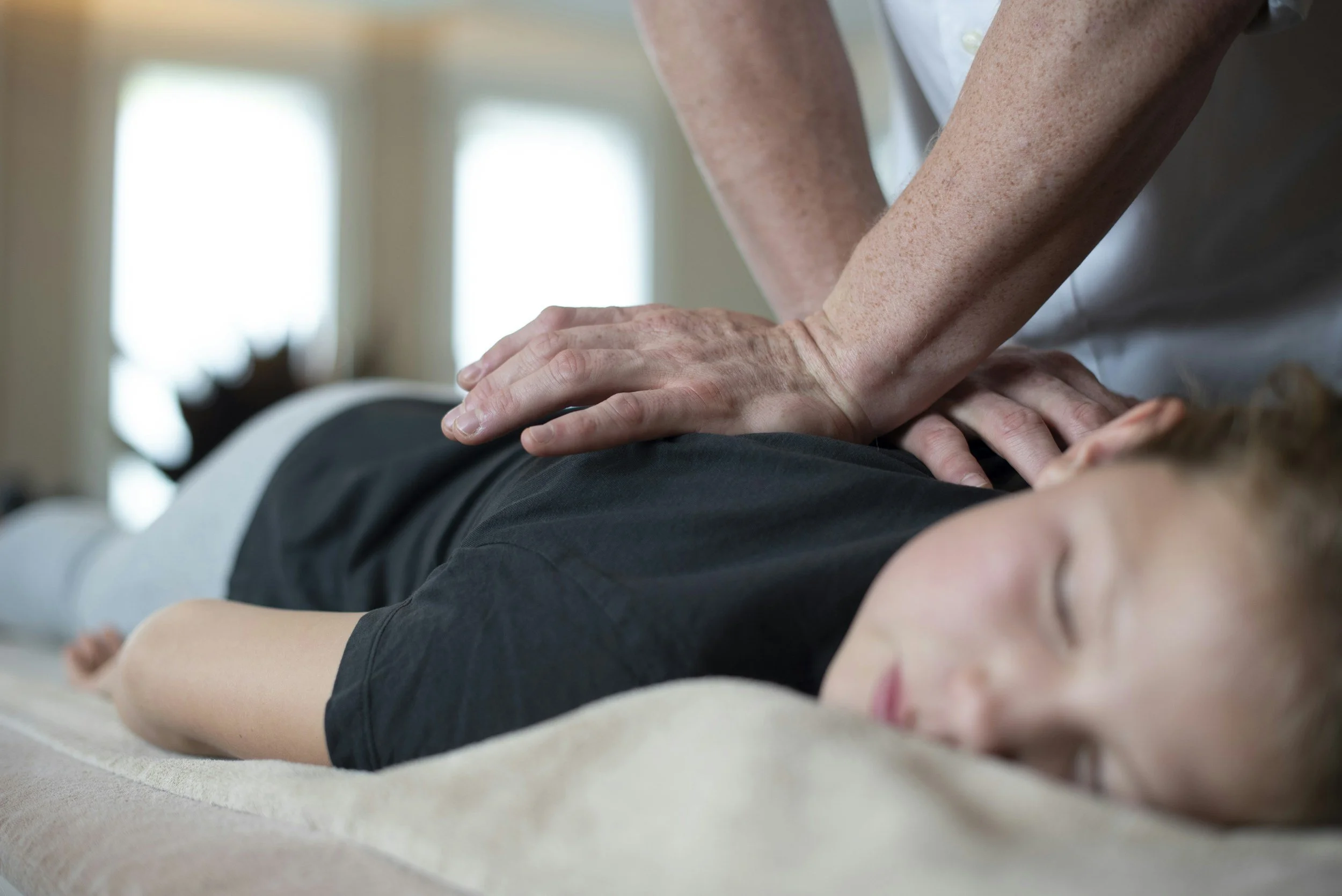
At Stillpoint, therapeutic massage and bodywork are used to work with specific areas of pain, muscular tension, restricted movement, and physical recovery — while also paying attention to the nervous system that influences how the body holds tension.
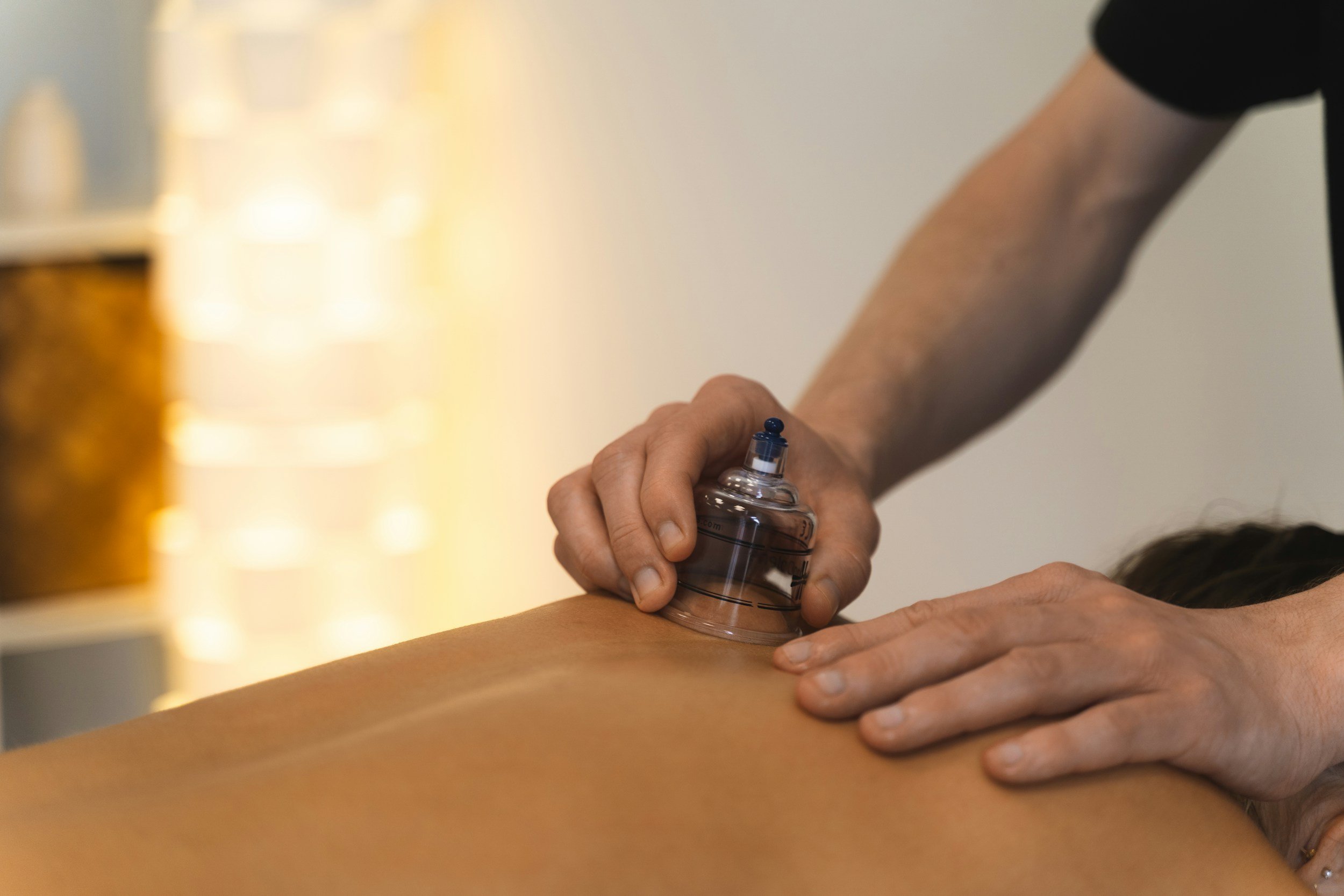
This is individualized hands-on care rather than a standardized massage routine. Some sessions may involve gentle, subtle contact. Others may include deeper pressure, trigger-point work, Shiatsu-inspired techniques, pressure points, or cupping when appropriate.
The treatment is guided by what your body needs that day.
More Than Massage
A muscle does not simply become tight on its own.
The nervous system continually communicates with the muscles, telling them when to contract, relax, stabilize, and protect. When the body senses that it needs more stability or protection, tension can become part of that protective strategy.
Sometimes that tension is useful in the short term. But when the pattern continues long after the original stress or strain has passed, the body may become accustomed to holding.
This is why simply trying to force a tight muscle to relax does not always create lasting change.
My work focuses on helping the body recognize that it can release tension on its own.
Rather than fighting against the body's protective response, we work with it.
Therapeutic, Not spa
This work is not designed primarily for pampering or a generalized relaxation experience.
Relaxation is often an important part of the treatment, but it is not the only goal.
Therapeutic bodywork at Stillpoint is intended for people who want to work with a specific physical concern, recurring tension pattern, recovery issue, or the way stress is being expressed through the body.
The experience may be deeply relaxing.
But the relaxation is part of the therapeutic process — not the entire purpose of the session.
A Treatment That Responds to You
There is no single pressure level or technique that works for everyone.
Depending on the condition being treated and your state that day, a session may move between:
Very gentle, subtle touch
Moderate therapeutic pressure
Deeper pressure where appropriate
Trigger-point work
Pressure-point techniques
Shiatsu-inspired work
Cupping when appropriate
Focused work along areas of muscular restriction
Gentle movement or positioning
Techniques intended to support nervous system regulation
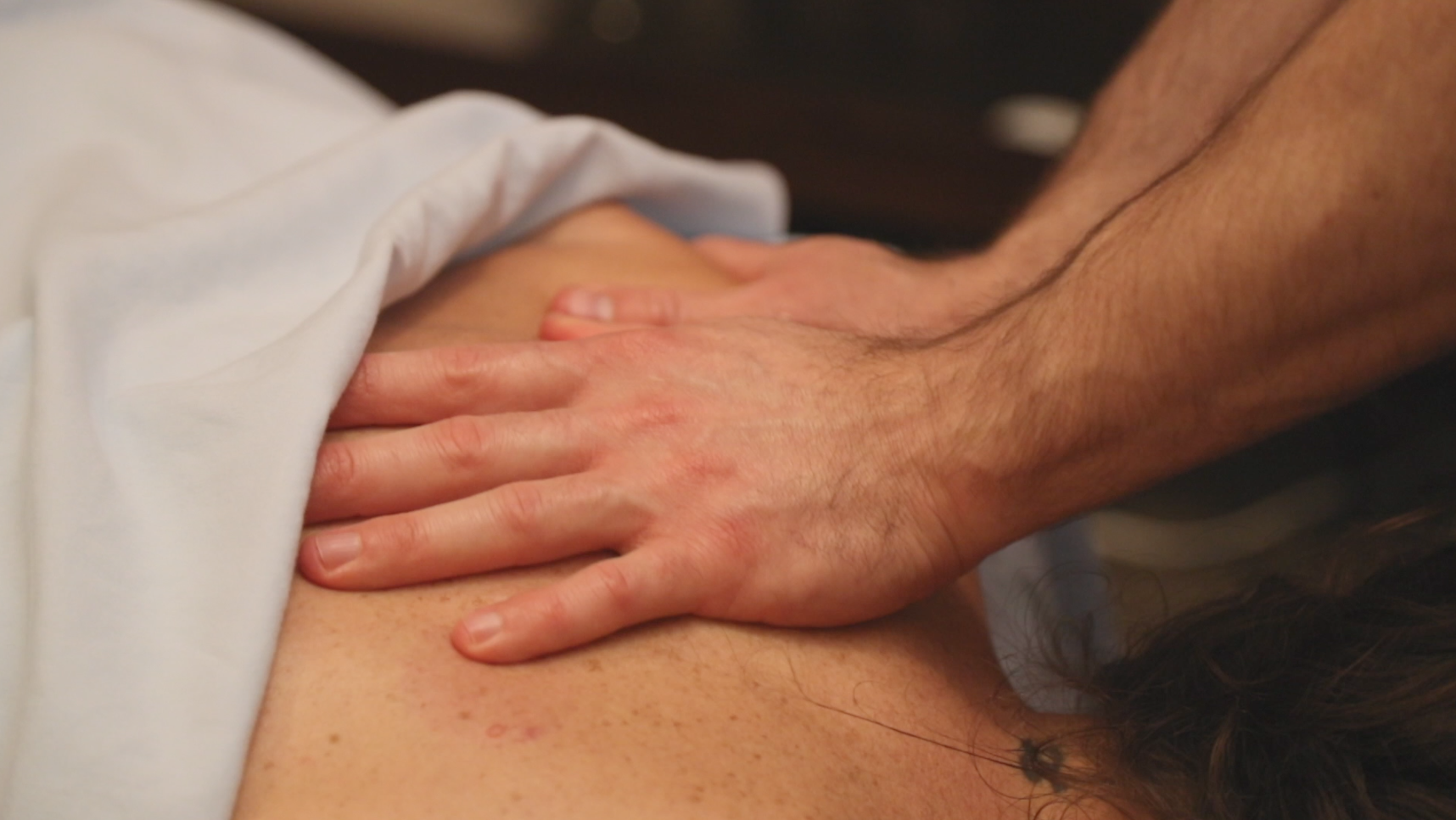
The goal is not simply to find the tightest muscle and push harder.
The goal is to understand how the body is holding tension and what allows it to let go.
When Therapeutic Bodywork May Help
Therapeutic bodywork may be appropriate for people dealing with specific physical complaints or recovery needs, including:
Neck and shoulder tension
Back and lower back pain
Hip and pelvic tension
Muscular tightness and restriction
Repetitive strain
Postural tension
Recovery from physical activity or training
Chronic patterns of muscular tension
Areas of tenderness or restricted movement
Stress-related physical tension
Bodywork may also be incorporated into a broader acupuncture treatment when appropriate.

The Nervous System Is Part of the Treatment
One of the most important aspects of this work is what happens when the nervous system begins to settle.
Many people initially notice a deep sense of relaxation. Breathing may slow, the body may feel heavier, and muscles that have been holding tension may begin to soften without being forced.
Some people experience a shift from a more activated state toward a calmer, more restful state during treatment.
You may notice:
Deeper, slower breathing
A sense of heaviness or softness in the body
Warmth or subtle movement
Sleepiness or deep rest
A decrease in muscular guarding
An unexpected emotional response
These responses do not need to be forced or produced. They are simply possible ways the body may respond as treatment creates greater ease and allows the nervous system to settle.
One of the things patients frequently tell me is:
“You found exactly where it hurts.”
Sometimes a person knows they have pain in their shoulder, back, or hip, but does not realize that another area is contributing to the pattern until it is touched.
There may be points that feel completely normal until pressure is applied — and suddenly you recognize a familiar sensation or discover tenderness you were not aware of.
When working on one area, you may also notice a sensation somewhere else — perhaps a familiar ache, pulling sensation, warmth, tingling, or a feeling of movement.
This is one reason I pay attention not only to where you say it hurts, but also to how your body responds when different areas are touched or worked with.
Years of hands-on experience, Shiatsu training, massage therapy, and Chinese medicine inform this process.
The body provides feedback.
I listen to it.
Finding the Places You Didn't Know Were Holding

What to Expect
Fully Clothed or Traditional Massage Setup
Therapeutic bodywork can be performed fully clothed when appropriate.
Loose, comfortable clothing allows for many types of Shiatsu-inspired and therapeutic work and may be preferred by people who are more comfortable receiving treatment without changing.
For techniques that are better suited to direct contact with the skin, a traditional massage setup may be used with appropriate draping and privacy.
We will discuss what is appropriate for your treatment before we begin.
A Treatment That Changes With You
A session does not have to be painful to be effective.
Some areas may respond best to very gentle contact. Other areas may require more focused pressure or deeper work.
Depending on your needs, treatment may include therapeutic massage, Shiatsu-inspired techniques, trigger-point or pressure-point work, gentle movement, or cupping.
The pressure and techniques are adjusted according to your condition, your comfort, and how your body responds during the session.
You may become deeply relaxed, notice changes in your breathing, or feel a familiar sensation in an area connected to where we are working.
The treatment evolves according to your response rather than following a predetermined routine.

Frequently Asked Questions
1
Do I need to undress for therapeutic massage?
No. Many treatments can be performed fully clothed, particularly when using Shiatsu-inspired techniques and pressure-point work or Reiki. If direct skin contact is appropriate for your treatment, we will discuss the setup beforehand.
Is therapeutic massage supposed to hurt?
2
Not necessarily. Some techniques may create a strong or intense sensation, particularly when working with sensitive or restricted areas, but the goal is not to force the body through pain. Pressure is adjusted according to your condition and your response.
Is this a relaxing massage?
Yes — relaxation is often an important part of the experience. However, the primary purpose is therapeutic: working with specific pain, tension, movement restrictions, and recovery needs. The idea is to help your mind and your body to let go - this is how relaxation is achieved.
3
Can I combine massage with acupuncture?
4
Yes, but for Acupuncture to be combined an Initial Acupuncture Visit is necessary. After that an add on Bodywork can be added to Acupuncture sessions. For some patients, combining therapeutic bodywork with acupuncture can be appropriate. The combination depends on your condition, goals, and how your body responds to treatment.
Is cupping available?
5
Yes. Cupping or Guasha may be incorporated into therapeutic bodywork when appropriate. It is used selectively based on the diagnosis, the area being treated, your condition, and how your body responds.